-
 By
-
By
-
-
 15 Oct, 2026
How Can Employee Management Software Improve Workplace Efficiency?
Key Takeaways
- Businesses need a cloud based, user friendly and integrated employee management system to keep their workflows streamlined.
- The software helps modern businesses manage their workforce, remote and in-office, both without micromanaging.
- It is good to look for a platform that integrates HR management, recruitment, training, project management and productivity tracking together on a centralised platform.
- Automate routine processes using AI tools and agentic agents to improve workplace efficiency and decision making.
- You should always choose the system that grows with your company and best fits your budget.
Employee management software helps businesses optimise workflows and streamline routine HR operations, project milestones and team productivity in a perpetual cycle.
An integrated digital tool can boost workplace efficiency by creating end-to-end visibility across operational systems. From managing employee records, attendance, and leave requests to rosters, project deadlines, and performance reports, the software keeps your business moving without micromanagement or compromising team autonomy. Organisations are now leveraging AI agents and tools to automate routine tasks and boost overall productivity.
59% of surveyed Indian businesses were using AI agents to automate workflows across teams, according to the Microsoft Work Trend Index 2025. There is no denying that AI integrated employee management systems support modern businesses while promoting workflow automation and growth.
In this guide, explore how workforce management software improves workplace efficiency, simplifies routine operations, and boosts employee performance through AI capabilities.
Let’s Get Started!
1. What is Employee Management Software?
Employee Management Software (EMS) is a single connected digital platform designed to organise, streamline, and automate routine HR operations and workforce management.
The software replaces piles of employee records with centralised digital profiles, spreadsheets with digital timelines, manual attendance with biometric and GPS and Geo tagging, and scattered emails with one integrated communication tool.
It helps modern businesses manage their workforce, both remote and in-office, without follow-ups or constant monitoring.
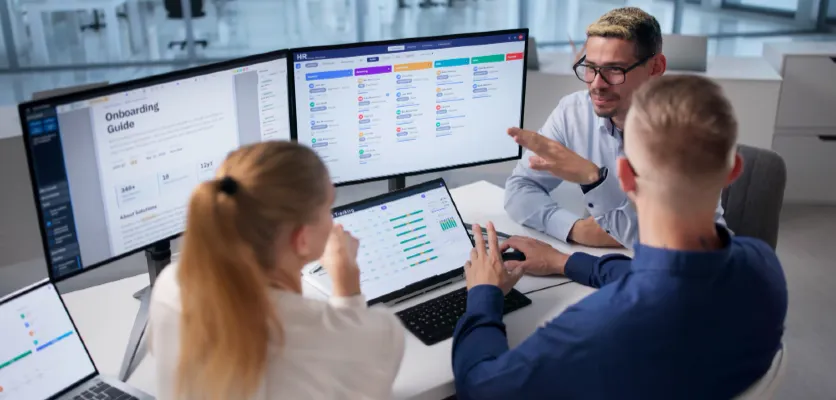
For instance, a marketing head assigns a campaign to four employees. Using the workforce management software, the head can assign responsibilities, set deadlines, and monitor task progress with a clear timeline.
The head can review their team’s activity, productivity hours, and idle time, while assigned members can view tasks and priorities and update their progress without any distractions.
2. What Are the Common Employee Management Software Tools?
An integrated employee management system brings HR, projects, performance and communication in one platform. Key software tools and features include:
- Digital Employee Records: The software stores employee records, including contact information, job roles and important documents in a centralised digital database. Access and update records in no time!
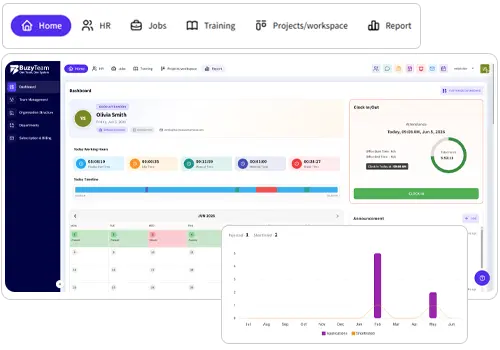
- Attendance Tracking: Record clock in/clock out attendance of each employee in real time. HR professionals can even track working vs. idle hours in a single dashboard. New-age HR software even offer geo tagging and geo fencing features for remote and field employees for effective tracking.
- Employee Onboarding: An integrated workforce management software also offers a digital onboarding feature to help HR manage joining due diligence, collect documents, and track tasks for new hires.
- Employee Training: Businesses can now provide training to their new hires and existing employees to boost their skills and deliver top notch results. Access AI Trainer to transform every recorded click into engaging training videos and step by step documentation.
- Task Management: Some modern platforms allow managers to assign tasks, monitor progress and set deadlines. They can divide complex projects into subtasks, track progress via Kanban boards and lists. You do
- Project Management: Cloud based project management system lets you set milestones and track project progress in real time.
- Productivity Tracking: Managers have access to turn employee data, such as active vs idle hours, app and website usage, mouse activity and attendance patterns, into useful insights to track the team’s productivity – all from one centralised platform.
- Communication and Collaboration: Some advanced employee management systems even offer an effective team communication module to help employees collaborate while staying on the same project or task.
- Payroll Management: Send time and attendance data right to payroll for faster processing.
Note: It is good to use a centralised employee management system that brings team, communication, project, and task management together on one platform.
3. What are the Benefits of Employee Management Software?
Understanding the benefits of employee management software can help you streamline operational efficiency.
- Automate HR processes and Boost Productivity:
The software streamlines and automates administrative tasks while reducing manual errors. For instance, HR professionals using HR software can easily manage employee records, track attendance, approve leave requests, and conduct performance reviews from one centralised platform.
- Boosts Employee Engagement:
Did you know that the employee engagement percentage dropped from 30% in 2024 to 23% in 2025? This report is released by Gallup and is one of the major concerns for businesses.
However, new age workforce management solutions offer an employee self-service portal to help employees address their issues and submit a support ticket to HR frequently. They can apply for leave, swap shifts, see updates, check their leave balance, and do everything from their web or mobile app. This boosts engagement and satisfaction rate.
- Improves Communication across Team
No need to switch multiple apps for communication and collaboration. With an integrated workforce management system in one location, the team can share files and ideas and communicate seamlessly without leaving their work.
- Brings Online Visibility:
Managers can gain insights into their team’s performance on the go. The software helps them track employee tasks, monitor progress and activity in real time, and identify performance gaps, etc., without any micromanaging.
- Boost Employee Performance:
When you track project progress and employees’ KPA and KRA reports, it becomes easy to offer relevant training and promote career growth. Managers can spot workflow inefficiencies, address bottlenecks and boost team productivity.
- Easy to Manage Remote Teams:
HR and managers can easily coordinate tasks, monitor attendance, track progress and communicate with remote employees. From project management to time tracking, the software helps businesses improve workflow efficiency for remote teams.
The software enables quick processing of information in the internal employee database, eliminating human errors while improving the security of confidential data.
4. Things to Consider When Choosing the Right Workforce Management Software
Key factors are listed below:
- Specific Business Requirements: Choose the system that fits your business needs.
- Essential Features: Look for HR management, attendance management, productivity tracking, reporting and analytics features to streamline workflows.
- Ease of Use: Always choose a simple and user friendly interface that can help you manage operational workflows while reducing micromanagement.
- Cloud based access: Choose software that lets users access the dashboard securely from anywhere, anytime.
- Scalability and Reasonably Priced: Choose the system that scales with your company and best fits your budget.
- One Connected Platform: Always choose one integrated platform that brings people, communication, project and productivity tracking together, ensuring workflow efficiency.
5. AI Features and Agentic Agents: The Future of Employee Management System
The new age employee management software integrates AI (artificial intelligence) features and predictive analytics. AI features and agentic AI not only automate routine tasks but also identify productivity trends, analyse workforce data, predict growth and support better decision making.
The key AI features and automation aspects to look for:
- AI Trainer: You can create live workflows into structured guides using AI.
- AI Exam Generator: Create exams using available training materials in seconds.
- AI Job Description Generator: Create professional, role specific job descriptions in one click.
- AI Meeting: It automatically creates AI transcripts of meetings, generates summaries of important tasks and detects action items.
- Agentic Agents: Partner with HR agent, Email agent, recruiter agent to streamline your workflows and get responses faster for effective decision making.
HR agent can assist you with onboarding, leave requests, employee queries, and employee data, while the recruiter agent helps screen CVs, manage candidates, and conduct interviews. These AI partners will keep the process moving with human approvals.
Wrapping Up
An employee management system works wonders when aligned with modules such as HRMS, Recruitment and ATS, training and development, project and task management, time tracking, productivity tracking, and reporting to boost workplace efficiency.
With cloud based access, AI features and AI agents, businesses can reduce manual work and automate routine processes for smart decisions. Choosing the right solution helps businesses stay organised, optimised and connected.
Frequently Asked Questions
1. What are the key features to look for in workforce management software?
Businesses can look for a single integrated platform that features employee record management, attendance tracking, leave management, employee self-service, task and project management, and productivity management. Choose features that match your business requirements and support future growth.
2. How an Employee Management System is Different from HRMS?
While cloud based HR management software focuses solely on HR processes and employee attendance and leave management, an integrated workforce management platform covers multiple modules, including HRMS, recruitment and ATS, training and development, project management, and time tracking and reporting.
3. Can the software support remote teams?
Yes, cloud based employee management system allows HR professionals and managers to gain a clear view of their remote team’s attendance, real time activity, app and website usage, timelines and work progress – all from one single dashboard.
4. What is the role of AI tools and agentic agents in workforce management software?
AI tools, such as ATS, Interview generator, job description generator or KPA/KRA builder, help teams automate repetitive tasks and streamline workflows. AI agents, on the other hand, turn your automatic business operations into an agentic workforce. They will answer your queries and assist you like intelligent interns to keep your work moving with your approvals.
5. Can I track employee productivity with the workforce management software?
Yes, Managers can gain complete visibility into assigned tasks, project progress, active vs idle hours, attendance and workload distribution. They can even identify bottlenecks and improve work planning without micromanagement.